
 English
 Spain
Spain

Under the Pyramid: Exploring What Lies Beneath the Great Pyramid of Giza
The Great Pyramid of Giza has captured people’s curiosity for thousands of years. Its size and precision have sparked many theories about what might lie beneath it. For centuries, explorers and archaeologists have searched for hidden chambers and secrets beneath the surface. Today, modern technology continues to reveal new clues that deepen our understanding of this ancient structure. This post will take a look at what lies under the pyramid and why it still fascinates experts and visitors alike.
The Historical Context of the Great Pyramid's Subterranean Chambers
Beneath the towering stone blocks of the Great Pyramid lies a shadowy network of underground spaces that have puzzled explorers and scholars for centuries. These subterranean chambers are more than just empty rooms; they carry mysteries about the ancient builders' intentions and their understanding of death, the afterlife, and even engineering. Understanding the history behind these chambers gives us a clearer picture of what "under the pyramid" really means.
The Original Purpose of the Subterranean Chamber
The underground chamber of the Great Pyramid is unlike the main burial rooms found higher up. It sits deep within the bedrock, unfinished and stark, leading many to question why it was built at all. Scholars offer several ideas:
- A planned burial space that was never used. Some experts think this chamber was the first attempt at a burial site but was abandoned as plans changed during construction.
- A symbolic gateway to the underworld. Others suggest the chamber was meant to serve a spiritual function, representing the pharaoh’s journey to the afterlife beneath the earth.
- A storage or ritual area. Archaeologists have proposed it might have stored offerings or served ceremonial purposes linked to the burial rites.
The chamber's rough, incomplete nature supports the idea that its construction started early but was never fully developed. This unfinished room contrasts sharply with the polished King's Chamber above, hinting at changes in design or religious beliefs during the pyramid’s building phase.
Explorations and Early Discoveries Beneath the Pyramid
Explorers and archaeologists have been drawn to the pyramid’s underground mysteries since the earliest days of Egyptology. The subterranean chamber, in particular, sparked curiosity due to its depth and the absence of clear remains.
- Early explorers like Nathaniel Davison (1765). He was among the first to enter the ascending passage and the lower chambers, though his access was limited and records sparse.
- 19th-century investigations by Sir Flinders Petrie. Petrie carefully mapped the pyramid and noted the unfinished state of the subterranean chamber, but found no significant artifacts.
- Limited finds and persistent puzzles. Despite careful studies, the chamber yielded little in terms of treasures or inscriptions, deepening the mystery rather than resolving it.
These early explorations revealed the chamber's rough construction and lack of decoration, suggesting it wasn't the final resting place or a heavily used room. Yet the fact that it exists at all points to a more complex story about the Great Pyramid’s design and the shifting goals of its creators.
Structural Aspects and Engineering Below the Pyramid
Beneath the Great Pyramid’s surface lies a complex system of underground spaces that reveal not only the ambitions of its builders but also their engineering skill. These subterranean chambers are far from simple holes dug in the earth; they reflect thoughtful planning, innovative techniques, and adaptability in construction. Exploring these structural features helps us appreciate the technical mastery behind one of history’s most enduring monuments.
Design and Layout of the Subterranean Chamber
The subterranean chamber sits deep in the bedrock beneath the pyramid’s base. Its design reflects a raw and unfinished feel, quite different from the polished chambers above. The layout consists of:
- A central, rectangular hollow carved directly into the natural rock. It measures roughly 27 feet long and 15 feet wide.
- A sloping passage leading down from the pyramid’s entrance, giving access to this underground space.
- An open pit or shaft at the bottom of the chamber, which adds to its mysterious character.
This space feels cramped, rough, and deliberately unrefined compared to the precision of the upper chambers. Builders carved the chamber into solid bedrock, which itself posed challenges in design and labor. The unfinished walls and floor suggest the work was abandoned before completion, implying a shift in plans during construction.
The layout served specific purposes, whether practical, symbolic, or both. The chamber’s connection with the ascending passage emphasizes a clear, if puzzling, spatial relationship between below and above. That relationship hints that the builders intended these underground spaces to play a role in the pyramid’s overall function, even if that role evolved over time.
Engineering Innovations Demonstrated by the Subterranean Chambers
Despite the chamber’s unfinished appearance, the engineering skills behind it are impressive. Digging into hard bedrock and creating stable underground rooms required careful planning and clever techniques.
Here are some engineering highlights:
- Direct rock excavation: Instead of building with stone blocks, workers tunneled into solid bedrock. This required controlled chipping and carving without modern tools.
- Stress management: Builders had to ensure the underground chamber didn’t collapse under the massive weight of the pyramid above. They achieved this by choosing a location on firm rock and limiting chamber size.
- Drainage and humidity control: Though subtle, the chamber’s sloped floor and passage may have helped channel water away, protecting the structure from moisture damage over time.
- Precision layout: Even in its rough state, the chamber aligns closely with the pyramid’s axes, showing careful measurement and planning.
These engineering feats reflect a deep understanding of materials and structural pressures. While we often praise the aboveground grandeur, the subterranean work reveals that the ancient builders had to solve tough problems below ground too. They combined brute force with foresight to make these chambers part of a lasting monument.
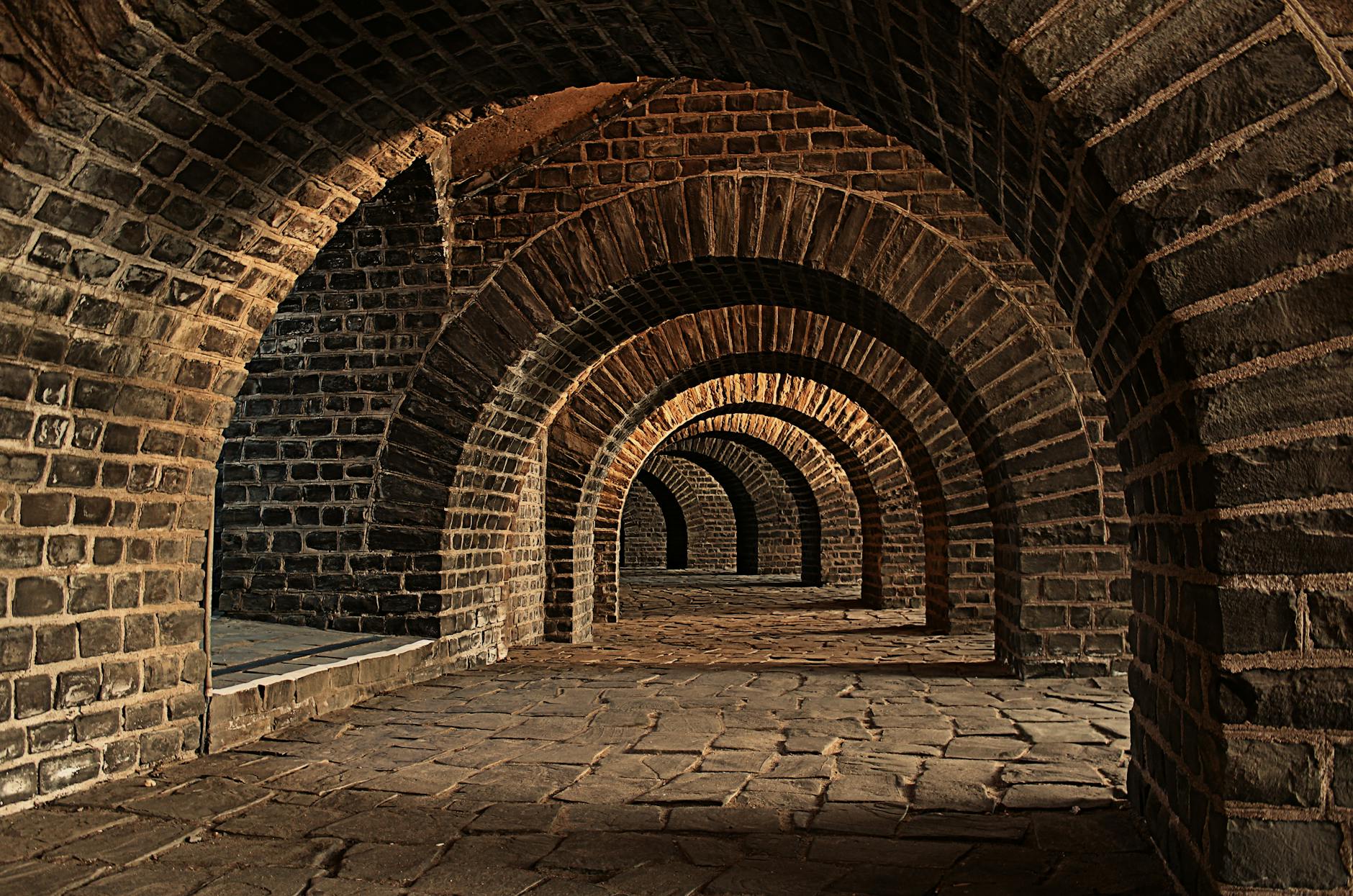
Theories and Speculations About What Lies Beneath
Beneath the Great Pyramid, the mysteries fuel endless curiosity. The possibility of hidden chambers or secret rooms sparks a mix of ancient tales, scientific investigation, and wild theories. People have long wondered what might be tucked away underground—treasures, libraries, or spaces meant for rituals. Let’s look at these ideas and what modern researchers have uncovered or imagined so far.
Hidden Chambers: Myths and Modern Research
Ancient stories speak of secret doors and hidden rooms beneath the pyramid, places filled with treasures or sacred knowledge. These tales often hint at restricted areas, sealed off to protect the pharaoh’s secrets from grave robbers or unworthy eyes. Some myths suggest a labyrinth of tunnels lying beyond what we see, a maze guarding something extraordinary.
Today, technology has taken on the task of searching below the pyramid without breaking a single stone. Scientists use non-invasive methods like radar scans, muon tomography, and seismic surveys to peek under its surface. These tools work like a flashlight in the dark, revealing shapes and empty spaces buried deep in the stone.
- Ground-penetrating radar sends waves into the stone and measures what bounces back, showing voids.
- Muon tomography uses cosmic particles that pass through solid rock differently depending on what's inside, highlighting hidden chambers.
- Seismic surveys measure vibrations to map underground structures.
Some recent projects have hinted at undiscovered voids or gaps that could mean undetected rooms. However, these findings remain under analysis and debate. No confirmed treasure vault or giant secret passage has jumped out yet. Still, the mysteries beneath keep pushing researchers to explore with newer tools and fresh ideas.
Conspiracy Theories and Popular Culture Impact
The idea of secret chambers under the pyramid naturally draws conspiracy theories. Some of these claim the pyramid holds alien technology, lost advanced civilizations’ archives, or hidden spiritual gateways. These stories often ignore established facts but gain traction through books, movies, and online forums.
Popular culture loves these theories. Films, documentaries, and novels feature underground chambers as spaces where ancient wisdom or supernatural forces hide. This has shaped how many imagine the pyramid, turning it into a symbol of mystery beyond archaeology.
Some common claims include:
- Aliens helped build the pyramid and left equipment underground.
- Ancient priests hid forbidden knowledge in secret rooms.
- The pyramid is a vast energy generator connected to hidden underground tunnels.
While these ideas aren’t supported by archaeological evidence, they keep the conversation lively and fuel imagination. They remind us how the Great Pyramid isn’t just a stone monument but a canvas for our stories about the past and the unknown.

Archaeological Techniques and Technologies Used in Subsurface Exploration
Exploring what lies beneath the Great Pyramid requires more than just traditional digging or speculation. Archaeologists now use advanced tools that let them peek under the stone layers without damaging this ancient wonder. These methods provide detailed views of hidden spaces and help guide further research. Let’s break down some of the key technologies transforming how we study the pyramid’s underground secrets.
Ground-Penetrating Radar and Imaging Technologies
Ground-Penetrating Radar (GPR) is a standout tool in non-invasive archaeology. It works by sending radar pulses into the ground and measuring the echoes that bounce back. Differences in the reflected signals reveal voids or dense materials beneath the surface, creating a kind of underground map.
For the Great Pyramid, GPR has helped confirm known passages and hinted at unknown voids without cracking a single stone. The technology is particularly valuable because it can scan large areas quickly, offering snapshots of the structure’s hidden layers.
Another exciting method is muon radiography. Muons are tiny particles created by cosmic rays hitting the Earth’s atmosphere. They pass through stone, but their paths change when they go through empty spaces. By placing muon detectors around the pyramid, scientists can track where these particles slow down or speed up. This reveals hidden rooms or cavities since muons behave differently passing through solid rock versus empty air.
These technologies do more than confirm old chamber maps. They open new possibilities for discovering spaces we never knew existed. Plus, since they don't touch the structure, they keep the pyramid safe from harm.
Robotics and Miniature Drones in Archaeology
Physical access beneath the pyramid is often restricted to narrow, tight passages that humans can't safely enter. That’s where robots and miniature drones come in. These devices are designed to slip through tiny openings, explore hidden chambers, and send back images or data.
Small robotic crawlers equipped with cameras have navigated shafts and tunnels that are otherwise unreachable. For example, robots have explored narrow air shafts within the pyramid, revealing fine details about construction techniques or potential hidden spaces.
Miniature drones take this further by flying inside larger voids. They capture live video, map the interior, and help archaeologists study the pyramid’s internal layout without disturbing anything.
Using robots makes exploration safer and more precise. It avoids risks to people and preserves fragile areas. Plus, continuous improvements in robotics mean these machines are getting better at dealing with complex underground environments.

These tools—GPR, muon radiography, and robotic explorers—work together to reveal the pyramid’s hidden landscape while preserving its incredible legacy. They turn mystery into discovery without breaking a single stone.
Significance of Discoveries Beneath the Pyramid for Understanding Ancient Egypt
The hidden spaces beneath the Great Pyramid offer more than just architectural puzzles. They open a window into the beliefs and customs of ancient Egyptians, giving us clues about how they viewed death and the afterlife. These subterranean chambers shape how archaeologists study Egyptian culture and inspire new ways to explore the past. Let’s explore what these discoveries tell us and why they matter for Egyptology.
Insights Into Egyptian Burial Customs and Beliefs
The underground chambers beneath the pyramid reveal a lot about how ancient Egyptians approached death and what they believed happened afterward. These spaces aren’t just physical structures—they carry spiritual meaning tied to burial rites and eternal life.
- Reflection of early burial ideas: The rough and unfinished underground chamber likely shows an early plan for the king’s tomb. It hints that tomb builders initially intended for the burial to be closer to the bedrock, but later shifted to a more refined chamber above. This change reveals evolving views on where and how a pharaoh’s body should rest.
- Symbolism of “underworld” journey: The position beneath the pyramid can be seen as representing the pharaoh’s passage into the underworld. The Egyptians believed death was a transition, not an end. The dark, deep space below ground could symbolize the gateway to the afterlife, a place where the soul begins its journey beyond the mortal world.
- Spiritual protection and rituals: These chambers may have served as places for offerings or rituals intended to guard and honor the king’s spirit. Although the subterranean chamber lacks elaborate decoration, its existence suggests a focus on spiritual security and preparation for life after death.
- Physical evidence of belief in resurrection: The pyramid itself, paired with the underground space, reflects the Egyptian idea of resurrection. The burial customs aimed to ensure the pharaoh’s rebirth and safe travel through the afterlife, with the underground chamber acting as a symbolic foundation for this process.
Viewing these chambers from a cultural perspective helps us see the buried space as more than construction—it's a piece of the ancient Egyptians’ complex worldview about death, protection, and eternal life.

Implications for Egyptology and Future Research
Discoveries beneath the pyramid have shaped how experts study ancient Egypt and how future explorations will proceed. These hidden chambers offer insights that go beyond the pyramid walls and influence the entire field of Egyptology.
- Rethinking pyramid construction: Unearthing these underground spaces challenges earlier ideas that pyramids were simple tombs. They show layers of planning and revisions, revealing that pyramid building was a flexible process. This pushes researchers to look deeper into construction methods and project changes.
- New focus on underground archaeology: The subterranean chambers encourage archaeologists to pay more attention to the spaces below monuments, not just the visible parts. This shift has broadened the scope of research, from surface artifacts to rock-cut chambers and tunnels that hold their own stories.
- Technological advances in exploration: The search below the pyramid drives innovation in technology, such as muon tomography and robotic explorers. These tools improve our ability to peek into sealed or dangerous spaces without causing damage, opening new frontiers in archaeology globally.
- Future discoveries on the horizon: The continuing study of these chambers promises further findings about burial practices, pyramid design, and ancient rituals. Every scan, robotic mission, or excavation under the pyramid could unveil new passages or objects that deepen our knowledge.
- Cross-disciplinary research growth: Understanding these underground spaces brings together experts not only in archaeology but also in geology, engineering, and history. This teamwork enriches interpretations and creates a more complete picture of ancient Egyptian life and death.
The chambers beneath the Great Pyramid remind us that beneath every well-known monument lies another story waiting to be told. For Egyptology, these discoveries are a call to look closer and think broader. The secrets below are key pieces in understanding the civilization that built one of the world’s greatest wonders.
Conclusion
The spaces beneath the Great Pyramid add important layers to what we know about this ancient monument. They show a story of changing plans and deep beliefs that go beyond just stone and mortar. Modern tools keep uncovering hints of hidden chambers and ideas, reminding us there’s still much to learn below the surface. As technology advances, we can expect even clearer views of these underground secrets and fresh insights into ancient Egyptian culture. The mystery beneath the pyramid remains a powerful invitation to keep exploring and thinking about the past. Thank you for joining this journey—your curiosity helps keep the story alive.