
 English
 Spain
Spain

The Unfinished Obelisk in Aswan: History, Stonework, and What It Tells Us About Ancient Egypt
The Unfinished Obelisk sits in a granite quarry in Aswan, Egypt, frozen in time. It’s one of the largest known ancient stone monuments left incomplete, offering a rare chance to see how ancient Egyptians worked stone. This massive piece reveals a lot about their methods and the challenges they faced. Exploring it sheds light on ancient engineering and craftsmanship that still fascinates visitors today.
Historical Background and Discovery
The story of the Unfinished Obelisk unravels across centuries, rooted deep in ancient Egypt’s rich history. It invites us to step back in time to understand the intentions behind its creation and appreciate its modern impact as an archaeological treasure. This massive piece of stone tells a tale of ambition, skill, and unexpected interruption.
Era of Construction and Intended Purpose
The Unfinished Obelisk was quarried during the New Kingdom period, a time when Egypt was at the height of its power. Historians believe it dates back to the reign of either Hatshepsut or Thutmose III, two of Egypt’s most influential rulers known for large-scale construction projects.
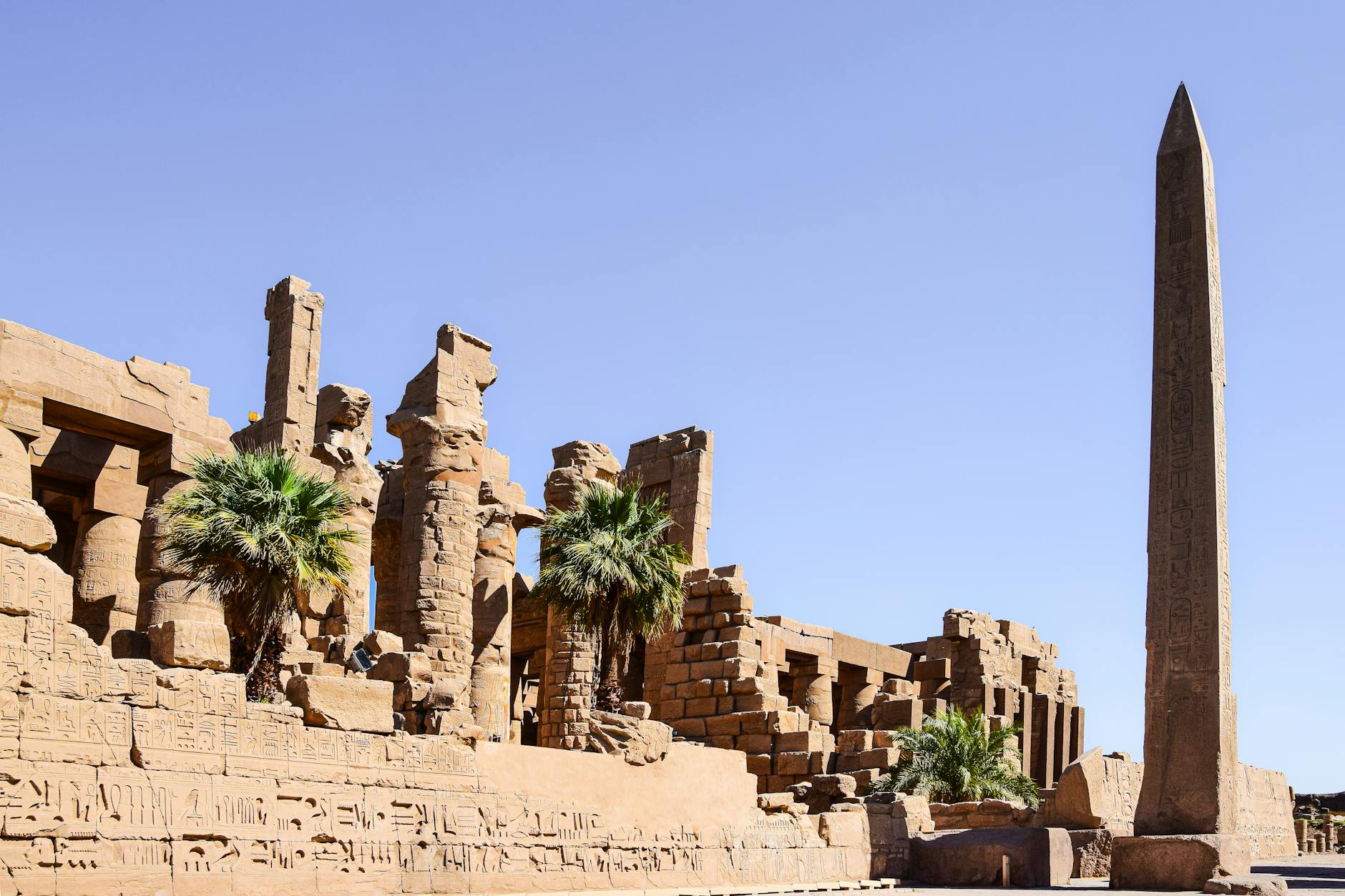
Obelisks in ancient Egypt were not just decorative; they held great spiritual and political significance. These towering stones symbolized the sun god Ra and were often placed outside temples to honor deities and the pharaoh's divine authority. The Unfinished Obelisk was meant to be a grand monument, possibly destined for the temple complex of Karnak or another important religious site.
Crafted from a single piece of granite, it was designed to reach an impressive length of around 42 meters and weigh nearly 1,200 tons. The ambition behind this project reflects a strong desire to demonstrate power through monumental architecture. However, cracks appeared as the workers carved the stone, forcing them to abandon the project before completion.
Modern Discovery and Archaeological Significance
The Unfinished Obelisk remained hidden beneath rubble until it was rediscovered at the Aswan quarry in the early 20th century. This find gave archaeologists a rare glimpse into the working process of ancient Egyptian stone masons.
Standing there today, you can see the obelisk still attached to the bedrock, with visible marks from the chiseling tools and the natural cracks that stopped work. The site acts like an open-air workshop, providing insight into the methods used to extract and shape granite—one of the hardest stones to carve.
This discovery has greatly enriched our understanding of ancient stoneworking techniques. It shows us the painstaking effort and risks involved in producing monuments that have survived for thousands of years. The Unfinished Obelisk sheds light on the challenges faced by the builders, making it an invaluable resource for historians and enthusiasts alike.
Engineering and Quarrying Techniques of the Unfinished Obelisk
The Unfinished Obelisk offers a unique glimpse into how ancient Egyptians tackled the enormous task of shaping massive granite monuments. Unlike finished obelisks you see standing tall, this one still clings to the bedrock, revealing the step-by-step effort involved. Understanding the materials, tools, and challenges behind its making helps us appreciate the sheer skill and trial that went into such projects.
Materials and Dimensions
This massive stone is carved from red Aswan granite, known for its strength and durability. It measures about 42 meters (138 feet) in length, making it the largest obelisk ever planned. The weight is estimated to be around 1,200 tons—roughly the weight of 200 elephants combined. Imagine trying to cut and move a single piece of stone that huge with only ancient tools!
The granite's dense, hard nature made it ideal for monuments meant to last forever. Its reddish hue was prized for its connection to the sun god Ra, symbolizing power and divinity. The sheer size of the Unfinished Obelisk tells us the Egyptians were not just building a monument—they were setting out to create a record of grandeur.
Ancient Stoneworking Techniques
Carving the obelisk directly from bedrock was no small feat. The ancient craftsmen used a combination of simple but effective tools and strategies:
- Dolerite Balls: They chipped away at the granite surface by pounding it with round, hard dolerite stones. This technique involved patient, repetitive strikes that slowly battered the granite down.
- Wooden Wedges: To separate the obelisk from the bedrock, workers inserted dry wooden wedges into cracks and grooves they carved. When wetted, these wedges expanded, slowly creating pressure that helped split the stone from below.
- Copper and Stone Tools: Copper chisels and stone hammers shaped finer details once rough shaping was done.
- Channels and Grooves: Workers carved parallel channels around the obelisk’s edges to define its shape and guide its detachment from the bedrock.
The entire process required a deep understanding of the rock’s natural flaws and the patience to hammer, wedge, and smooth an immense block of granite.
Reasons for Abandonment
The Unfinished Obelisk’s halt has its own story. As workers progressed, they spotted long cracks running through the granite. These fissures threatened the obelisk’s integrity and stability.
The most likely reason for abandoning the project was the appearance of these cracks during quarrying. Removing a cracked obelisk risked breakage or collapse during transport or installation, making it unusable for its intended purpose.
This flaw forced the builders to leave the obelisk where it lies, giving us a rare snapshot of a quarrying process interrupted by nature’s unpredictability. It shows that even great ancient engineers had to adapt to setbacks, just like builders today.

Significance of the Unfinished Obelisk in Ancient Egyptian Culture
The Unfinished Obelisk is more than just a massive stone stuck in the quarry. It opens a window into the cultural and religious world of ancient Egypt. While it stands incomplete, it still carries deep meaning about the beliefs and skills of the people who shaped it. Let’s explore how obelisks symbolized power and divinity, and what this unfinished piece tells us about the craftsmen behind it.
Symbolism of Obelisks in Ancient Egypt
Obelisks were powerful symbols in ancient Egypt, tightly connected to both religion and politics. They weren’t just towering monuments—they represented the sun god Ra.
- Sun Worship: Obelisks functioned as rays of sunlight petrified in stone. Their tall, slender shape pointed straight up, linking the earth with the heavens. Ancient Egyptians believed they captured the essence of Ra, the god of the sun and creation, serving as a physical connection to his power.
- Divine Authority: Pharaohs used obelisks to show their divine right to rule. Placing these monuments at temple entrances signaled that the king was backed by the gods. It was a statement of strength and protection.
- Eternal Life: The polished surfaces reflected sunlight, which symbolized the eternal cycle of life and rebirth. Obelisks acted as guardians against darkness and chaos, standing firm through centuries as proof of enduring order.
The Unfinished Obelisk, though never completed, carries all this symbolism. It was meant to become a spiritual beacon, shining with sacred meaning. Its planned size alone hints at the ambition to honor Ra on a grand scale.

Insights into Ancient Egyptian Craftsmanship and Labor
Looking at the Unfinished Obelisk, you get a firsthand glimpse into the labor and skill that went into building these giant monuments. It shows us how well-organized and skilled the ancient Egyptian workforce had to be.
- Labor Organization: Quarrying a massive stone like this required teamwork and planning. Teams worked in shifts, each with specific tasks—cutting, shaping, and monitoring cracks. This careful division of labor reflected a highly structured workforce.
- Craftsmanship: The tool marks on the stone reveal the patience and precision of these craftsmen. They combined brute force with careful technique, using pounding stones, wooden wedges, and copper tools to shape the granite. This was both art and engineering.
- Problem Solving: The quarriers had to constantly watch for flaws in the stone. The cracks that halted this project show their skill in judging when a piece was no longer fit for use. This type of risk management was critical in avoiding disaster and wasted effort.
- Time and Effort: Extracting a single block the size of the Unfinished Obelisk could take years. It’s a testament to the dedication and endurance of the workers, who balanced craftsmanship with sheer physical strength.
This incomplete stone stands as a monument to human effort and clever organization. Its presence shows us the complexity behind what might look like simple monument building.
Together, the Unfinished Obelisk reveals how deeply obelisks were woven into ancient Egyptian life—not just as religious symbols but as testaments to human skill and perseverance.
Current State and Visitor Information
Visiting the Unfinished Obelisk offers a rare opportunity to witness history frozen in place. This site still holds the charm of an ancient workshop where the stone was once shaped, but it also faces modern challenges in preservation and access. Understanding what you can expect when visiting and the efforts to protect the monument helps bring this experience to life.
Site Description and Accessibility
Located in the northern part of Aswan’s granite quarry, the Unfinished Obelisk is easily accessible for travelers interested in Egypt’s rich heritage. The site is part of the larger Aswan Stone Quarry, which is open to the public with guided tours available. Visitors can:
- Reach the site via Aswan city, a short drive of about 15 minutes, either by taxi or organized tour.
- Walk around the obelisk, which lies on the quarry floor, still connected to the red granite bedrock.
- See the original tool marks and cracks, providing a direct look at the quarrying process.
- Explore surrounding ruins and remains of ancient stonecutting workshops nearby.
The open-air setting means there are no barriers between visitors and the obelisk, allowing close inspection and plenty of photo opportunities. The terrain is relatively flat but can get hot, so wearing comfortable shoes and bringing sun protection is wise. Signage offers background information, but guides help fill in the fascinating details.
While there are no visitor centers or cafes right on site, Aswan offers multiple amenities nearby for resting or dining after your visit. Overall, it’s a straightforward but rewarding visit for anyone curious about ancient craftsmanship up close.

Conservation Efforts and Challenges
Preserving the Unfinished Obelisk is a continuous task that faces both natural and human pressures. The obelisk’s exposure to the elements leaves it vulnerable to:
- Weathering by wind and temperature changes, which slowly erode the granite’s surface.
- Sand abrasion, as fine desert sands carried by winds rub against the stone.
- Potential damage from visitors, though the site is managed to minimize wear and vandalism.
Local authorities in cooperation with heritage organizations have implemented several measures:
- Restricted access zones around the more fragile areas to prevent direct contact with sensitive surfaces.
- Routine maintenance and monitoring of cracks and erosion to catch early signs of damage.
- Educational signage and guided tours aimed at raising awareness about the site’s significance and vulnerability.
- Research collaborations focusing on material analysis and preservation techniques specific to granite monuments.
Despite these efforts, challenges persist. The desert environment constantly wears down exposed stones, and fluctuating temperatures cause expansion and contraction that can deepen fractures. Balancing public access with control remains delicate, as the site benefits from visitation but risks impact from high foot traffic.
Ongoing conservation depends on continued funding, research, and responsible tourism. The Unfinished Obelisk represents both a treasure of the past and a responsibility for the present. It invites us to appreciate history while helping protect it for future visitors.
Conclusion
The Unfinished Obelisk stands as a clear record of ancient Egypt's ambition, skill, and the realities of working with massive stone. Its history reveals the care and expertise behind Egypt’s monumental building efforts, while its unfinished state offers a rare look at quarrying challenges.
This site connects us with the past in a direct, tactile way—showing how technology, culture, and beliefs came together in stone. Archaeologists and visitors alike find value in the story it tells about human effort and the limits of ancient tools.
By visiting or studying this monument, we deepen our appreciation for the craftsmanship and dedication that shaped Egypt’s legacy, and we carry forward a greater respect for preserving such irreplaceable history.